TL;DR

Get pool and patio gear delivered free with Prime
- Fast, free delivery on millions of items
- Prime Video, Amazon Music and more included
- Member-only deals all year
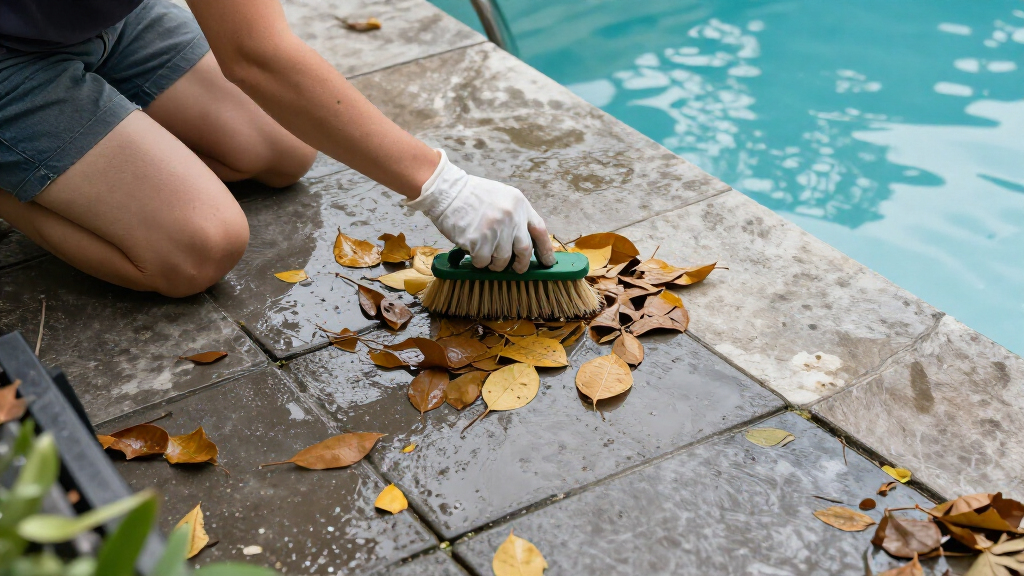
Garden experts advise clearing wet leaves from patios because they can create slippery surfaces and, as they break down, may stain porous paving or encourage moss and algae. The source report recommends sweeping leaves regularly, especially after heavy rain, and says collected leaves can be composted or turned into leaf mould.
A gardening report citing experts says wet leaves left on patios can make paving slippery and may lead to staining, moss and algae as the leaves break down. The advice matters to homeowners maintaining outdoor paths and paved areas during autumn and after rain, when accumulated leaves can pose both a safety and upkeep concern.
Amber Tunney, a plant buyer at Cherry Lane Garden Centres, says wet leaves can make patio surfaces slippery and recommends sweeping them up regularly, particularly after heavy rain. The report describes slip risk as an immediate concern, though it does not provide measurements or incident data on falls.
Andrew White, an outdoor expert at Harbour Lifestyle, says wet leaves can hold moisture against paving. As they break down, they may stain porous paving and encourage moss and algae to develop. The extent of any damage can depend on the paving and conditions; the report does not specify how quickly these effects occur or how common they are.
For removal, the report discusses manual raking and leaf-collecting tools, as well as leaf blowers and garden vacuums. It notes that wet leaves can be harder to clear with powered equipment. Once collected, leaves need not go to waste: Tunney suggests adding them to a compost heap or making leaf mould for improving garden soil.
Why Patio Leaves Need Attention
The advice highlights a practical trade-off for people using patios and garden paths: a layer of leaves may seem harmless, but when wet it can make a walking surface more slippery. Clearing leaves can reduce that immediate hazard while also limiting the time moisture and decaying plant material sit on paving.
There may also be a maintenance cost. According to White, leaves can stain porous paving and encourage moss or algae, which may leave homeowners with additional cleaning. The source does not quantify repair or cleaning costs, so the scale of that impact is not established. Regular checks after rain are a straightforward measure suggested by the experts, rather than a guarantee against surface damage.
The report also distinguishes patio maintenance from garden-wide leaf removal. While some gardeners leave leaves in parts of a garden, the experts’ specific advice concerns leaves on paved areas. Collected leaves can still be put to use in compost or leaf mould, keeping the recommendation from being simply to discard them.
Popular right now

Roborock Qrevo CurvX Robot Vacuum and Mop

eufy E25 Robot Vacuum and Mop Combo with HydroJet Roller Mop

Dyson Cyclone V10 Origin Cordless Vacuum
As an affiliate, we earn on qualifying purchases.
Advice for Wet Autumn Conditions
The source report frames the issue around autumn weather, when fallen leaves, wind and rain can combine to leave patios covered in wet debris. Its recommendation is to check paved areas after storms and clear leaves rather than allowing them to remain through damp periods.
The guidance comes from a home-and-garden article that spoke with Tunney and White. It is expert advice, not a formal safety standard or a study comparing paving materials. The report names no specific patio products as necessary; it mentions rakes, leaf grabbers, blowers and garden vacuums as possible collection methods, while acknowledging that wet leaves are more difficult for powered tools to handle.
“Wet leaves can make patios very slippery, so it’s best to sweep them up regularly, especially after heavy rain.”
— Amber Tunney, plant buyer at Cherry Lane Garden Centres
How Much Damage Leaves Cause
The source report does not give data on how often wet leaves cause falls, how quickly stains develop, or how likely moss and algae are to form on different paving types. White’s warning is specifically about porous paving; the report does not compare materials or establish that all patios will be affected in the same way. It also provides no testing of leaf-clearing tools or evidence that one method is best for every patio.
The experts’ statements are practical guidance attributed to garden-industry professionals, rather than findings from a cited scientific study. Readers should treat the risks as possible outcomes described by the sources, not as a prediction that every leaf-covered patio will suffer damage.
Check Paving After Rain
The practical next step in the report is to inspect patios and paths after heavy rain or a storm and sweep up wet leaves regularly. Homeowners can collect them by hand or use suitable garden equipment, bearing in mind the report’s note that wet leaves may be harder to remove with a blower or vacuum.
Collected leaves can then be composted or used to make leaf mould, according to Tunney. The source does not announce a new policy, product test or scheduled follow-up; the advice is seasonal maintenance guidance. Further detail on how removal methods perform on different paving surfaces is not provided.
Key Questions
Why should wet leaves be cleared from a patio?
The experts cited in the report say wet leaves can make paving slippery. As they break down, they may also stain porous paving or encourage moss and algae.
How often should patio leaves be removed?
Amber Tunney recommends sweeping leaves up regularly, especially after heavy rain. The source does not set a fixed schedule; the amount of leaf fall and weather will vary.
Can wet leaves damage every type of patio?
The report says leaves can stain porous paving, but it does not compare patio materials or claim that all surfaces will be affected. The degree of risk for a particular patio is not specified.
What can be done with leaves after clearing them?
Tunney says fallen leaves can be added to a compost heap or collected to make leaf mould, which can be used to improve garden soil.
Source: idealhome.co.uk