
TL;DR

Get pool and patio gear delivered free with Prime
- Fast, free delivery on millions of items
- Prime Video, Amazon Music and more included
- Member-only deals all year
Amateur Gardening has outlined five preparations for gardens ahead of stormy, wet and windy weather: move and group pots, secure supports and loose objects, inspect vulnerable trees, and check drainage. The advice is practical rather than a forecast; the source does not identify a specific storm or provide a date for one.
Amateur Gardening has published five garden-preparation steps for people expecting wet and windy weather, advising them to secure pots and garden structures, move loose items indoors, check vulnerable trees and reduce waterlogging. The guidance matters because strong winds and heavy rain can damage plants and property, but it is general preparation advice, not a warning about a named or confirmed storm.
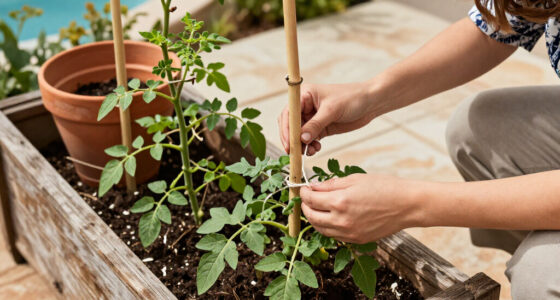
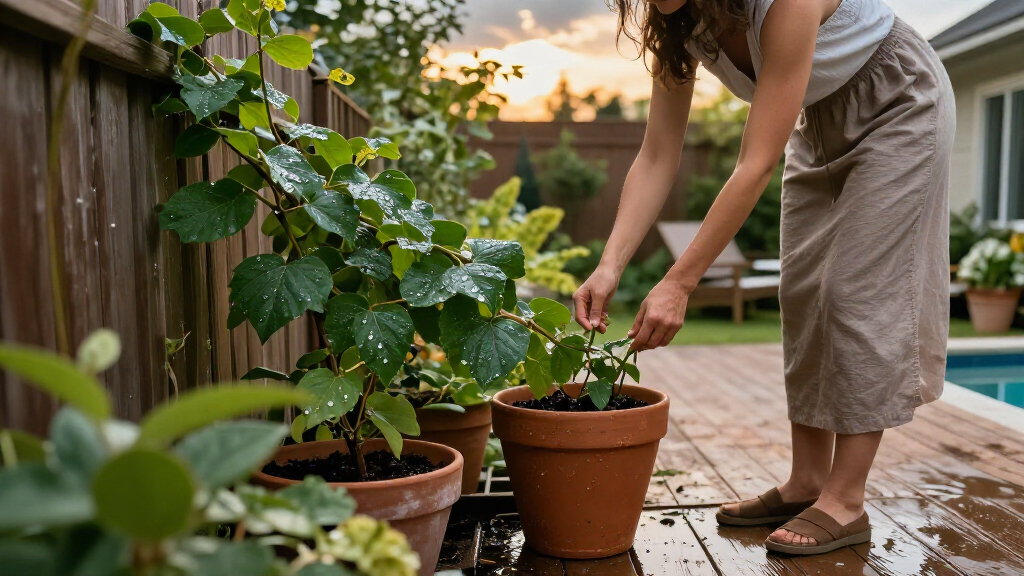
The first steps focus on containers and supports. The report advises moving pots away from exposed positions, placing them at ground level and grouping them together. Hanging baskets can be taken off their brackets and set down, while tender plants may be moved to a frost-free area where available. Arches, trellises, stakes and tall plants should also be checked and secured.
The report also recommends bringing in garden toys, tools, empty pots and outdoor furniture that could be blown away. It says trampolines should be secured, and that greenhouses and sheds should be well built and bolted to the ground. These measures are intended to limit damage and reduce the risk of objects striking people or nearby property.
For trees, Amateur Gardening suggests having tall trees near homes or roads assessed by a tree surgeon and removing weak branches before they fall. To address heavy rain, it advises checking that container drainage holes are clear and avoiding leaving pots sitting in water or saucers for long periods. The article also suggests considering plants that tolerate wetter conditions and using a water butt to collect rainwater.
Reducing Wind and Water Damage
The recommendations cover more than plant survival. Loose objects, unstable pots and unsecured structures can be blown into neighbouring gardens, roads or buildings, while falling branches can create hazards and block paths. Moving items to ground level or indoors, and securing garden structures, can reduce those risks before conditions deteriorate.
Heavy rain poses a separate problem: waterlogged containers can harm plants, and flooding may affect gardens and nearby areas. Checking drainage is a relatively direct precaution, while tree assessment may require professional help. The source does not quantify how much damage these steps prevent, so their effect will depend on the garden, the weather and the condition of its structures and trees.
Safety also shapes the timing. The report says that if a storm has already started causing disruption, people should stay indoors rather than attempt garden work. Preparation should happen before dangerous weather arrives; once winds pick up, handling furniture, ladders, branches or hanging baskets can expose people to injury.
Popular right now

Shark HydroVac MessMaster Corded Wet/Dry Vacuum, Mop & Self-Clean (WD161)

Roborock F25 Ultra Steam Wet Dry Vacuum Mop

Dyson Car+Boat Cordless Handheld Vacuum
As an affiliate, we earn on qualifying purchases.
Advice Ahead of Autumn Storms
The source frames its recommendations around an anticipated period of wet and windy autumn weather following a hot, dry summer. It refers to El Niño as part of that outlook, but provides no forecast data, location-specific warning or named storm. The article says gardens in cities, on balconies and at schools may also be affected, not only exposed coastal or elevated sites.
Its five areas of preparation are containers, plant supports, loose garden objects, trees and rain management. The advice is aimed at household and community gardens and does not replace local weather alerts, professional tree inspections or emergency guidance. Nor does the report establish that every garden will experience severe conditions.
““The garden can wait; your safety is paramount.””
— Amateur Gardening
Storm Timing and Local Risk
No specific storm, location or forecast date is given in the source material, and it does not state how severe conditions will be or which areas will be affected. Its seasonal outlook is presented as context for preparation, not as a formal weather alert. The report also does not provide detailed instructions for securing every type of trampoline, shed or greenhouse, or assess the condition of any particular tree. Readers should use official local weather information and seek qualified advice where a tree or structure may be unsafe.
Prepare Before Winds Rise
Gardeners can work through the five checks while conditions are calm: move and group containers, secure supports and structures, bring loose items inside, arrange assessment of vulnerable trees, and clear container drainage. If severe weather is forecast, follow local official warnings and avoid going outside to make last-minute fixes once conditions become unsafe.
The next relevant development is the local forecast as the weather system approaches; the source does not identify a further update or scheduled milestone. After a storm, people should assess damage only when it is safe to do so, and leave hazardous trees or structures to qualified professionals.
Key Questions
What are the five garden jobs recommended before a storm?
Move pots to shelter, secure plant supports, bring in loose objects, check vulnerable trees and manage drainage. The report also advises securing trampolines, sheds and greenhouses.
Should hanging baskets be left on their brackets?
Amateur Gardening advises removing swinging hanging baskets from their brackets and placing them on the ground until the storm passes.
What should I do if the storm has already started?
The source says to stay indoors if weather is already causing disruption. Do not risk injury by moving heavy objects, climbing or working near falling branches in dangerous conditions.
How can I reduce waterlogging in pots?
Check that drainage holes are not blocked and avoid leaving containers sitting in water or saucers for long periods. The report also suggests choosing plants that can tolerate wetter conditions.
Does the article identify a storm or give a forecast date?
No. It offers general preparation advice ahead of anticipated stormy weather but gives no named storm, specific date or local forecast.
Source: amateurgardening.com