TL;DR

Get pool and patio gear delivered free with Prime
- Fast, free delivery on millions of items
- Prime Video, Amazon Music and more included
- Member-only deals all year
Homes & Gardens’ Rachel Bull has shared a fall container planting recipe featuring coneflower, sedum, heather, trailing thyme and ornamental grass. The advice is to combine plants with varied heights and textures in a large pot with drainage, while keeping the mix watered as it settles and grows.
Homes & Gardens’ Rachel Bull has shared a recipe for a layered fall container planting, combining coneflower, sedum, heather, trailing thyme and ornamental grass in a large pot. The weekly Petals & Roots feature presents the arrangement as a way to bring seasonal color and varied texture to an outdoor space, with planting and watering guidance for establishing the display.
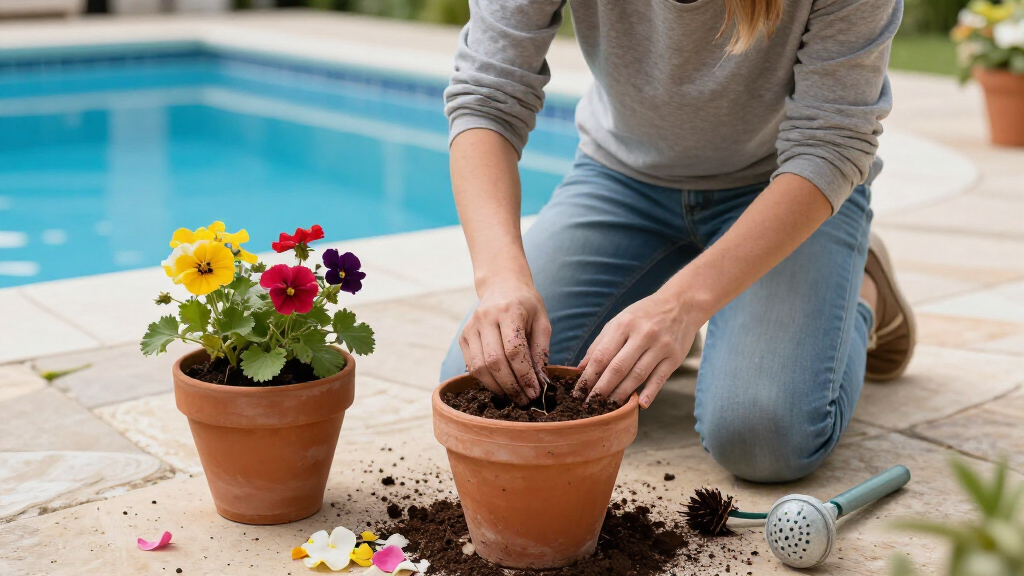
Bull’s recipe starts with a large planter with drainage holes and potting mix intended for container plants. She says she adds grit or perlite to large pots to help drainage and waters the plants before planting so they are hydrated as they settle into the container. The featured pot is terracotta, though the article says wicker and concrete are alternatives.
The planting sequence begins with the largest plant, an Echinacea ‘Pumpkin Pie’ coneflower, which Bull says needs the most depth and room. She places peach-toned sedum next, then adds magenta Scotch heather, trailing thyme and Stipa tenuissima, also known as Mexican feather grass. The arrangement uses taller plants for structure, fuller growth for volume and trailing stems to soften the pot’s edges.
Bull advises watering the finished container where it will remain, rather than carrying it after the soil has absorbed water, because the pot can become heavy. She also says to keep an eye on moisture and not let the mix dry out. The article describes the plants as providing color and texture into fall and winter, but does not report trial results or a measured duration for the display.
A Layered Plan for Autumn Pots
The recipe offers readers a specific combination of plants and a planting order, rather than a list of varieties to select independently. Its practical point is that a container can look more balanced when plants serve different roles: the coneflower anchors the arrangement, sedum and heather add color and texture, and thyme and grass create softer, trailing shapes.
For gardeners working with limited outdoor space, a single large pot can act as a seasonal focal point. The advice also emphasizes details that affect how the display establishes, including drainage, pre-watering plants and choosing a final location before the saturated container becomes difficult to move. The article’s promise of long-lasting color is gardening guidance, not a guarantee that every plant will perform the same way in every climate or container.
large outdoor planter with drainage
As an affiliate, we earn on qualifying purchases.
As an affiliate, we earn on qualifying purchases.
How the Petals & Roots Recipe Works
Petals & Roots is a weekly video series presented by Bull, whom the source identifies as Head of Gardens at Homes & Gardens. The feature places the container recipe within the publication’s seasonal gardening advice, and describes the planting as a way to use the warmer colors and varied textures associated with fall.
The source lists named plants and comparable products, but the central approach is about combining height, fullness and trailing growth in one planter. It recommends a container-specific potting mix and drainage holes, then building the arrangement around the largest plant before filling the remaining space with smaller varieties. Bull notes that the coneflower can retain structure after flowering and says it can provide food for birds in winter; that is her gardening guidance, rather than a quantified ecological assessment.
“The secret to a professional-looking fall container is to think about the plants as a whole rather than choosing individual varieties in isolation.”
— Rachel Bull, Head of Gardens at Homes & Gardens
Climate and Plant Performance Vary
The source does not give a publication date, identify the climate or growing zone where the recipe was tested, or specify a measured lifespan for the arrangement. It also does not provide a watering schedule, pot dimensions, quantities of each plant, or details about sun exposure. Those factors can affect how the plants perform, so the article’s description of color lasting into winter should not be read as a guarantee for all gardens.
The report names particular cultivars and suggests similar varieties, but it does not compare their performance or establish that substitutions will produce identical results. Readers may need to adapt plant choices and care to local conditions; the source does not offer region-specific recommendations.
Care After Planting
The immediate next step in Bull’s method is to water the container in place and monitor its moisture so the potting mix does not dry out. The article says the display can continue to provide seasonal interest into winter, with the coneflower retaining structure after flowering and the heather contributing texture. It gives no fixed maintenance calendar or later update on the particular container.
Readers following the recipe will need to judge watering and plant suitability for their own conditions. The source’s broader series is published weekly, but it does not state what subject the next Petals & Roots episode will cover.
Key Questions
Which plants are in Rachel Bull’s fall container recipe?
The recipe includes Echinacea ‘Pumpkin Pie’ coneflower, peach sedum, Scotch heather, trailing thyme and Stipa tenuissima, or Mexican feather grass.
What kind of pot does the recipe call for?
Bull uses a large terracotta pot and says wicker or concrete containers can also work. The planter should have drainage holes.
How should the plants be arranged?
Start with the largest plant, the coneflower, then add the sedum and smaller plants. The recipe combines height, fuller growth and trailing shapes to create a layered display.
How should the container be watered?
Bull recommends watering plants before potting, then watering the completed container in its final location. She says to monitor the soil and avoid letting the mix dry out; the report does not provide a fixed watering schedule.
Does the recipe guarantee color through winter?
No. The article describes the plants as offering seasonal interest into winter, but gives no measured duration or location-specific performance data. Climate and growing conditions may affect results.
Source: rss
Halloween Picks
halloween
As an affiliate, we earn on qualifying purchases.