TL;DR

Get pool and patio gear delivered free with Prime
- Fast, free delivery on millions of items
- Prime Video, Amazon Music and more included
- Member-only deals all year
Gardening Know How’s October lily-care report recommends five seasonal tasks for true lilies: remove spent seed heads and diseased debris, inspect for pests and rot, wait to cut back green stems, and adapt planting or winter protection to local conditions. The report says most true lilies can remain in the ground, but tender varieties and bulbs in very cold regions may need lifting and storage.
Gardening Know How has published five October care recommendations for true lilies, advising gardeners to remove diseased plant debris, check for pests, and leave healthy green stems in place until they fade. The report says the work can help bulbs prepare for winter, while noting that local climate and variety determine whether lilies should stay in the ground or be lifted for storage.
The recommendations apply to true lilies in the genus Lilium, including Asiatic, Oriental, Trumpet and Orienpet hybrids. The report cautions readers not to confuse them with daylilies, or Hemerocallis, which grow from fibrous roots and have different growth habits. Lily varieties also die back on different schedules, so a plant that still has green leaves in October may not be ready for cutting.
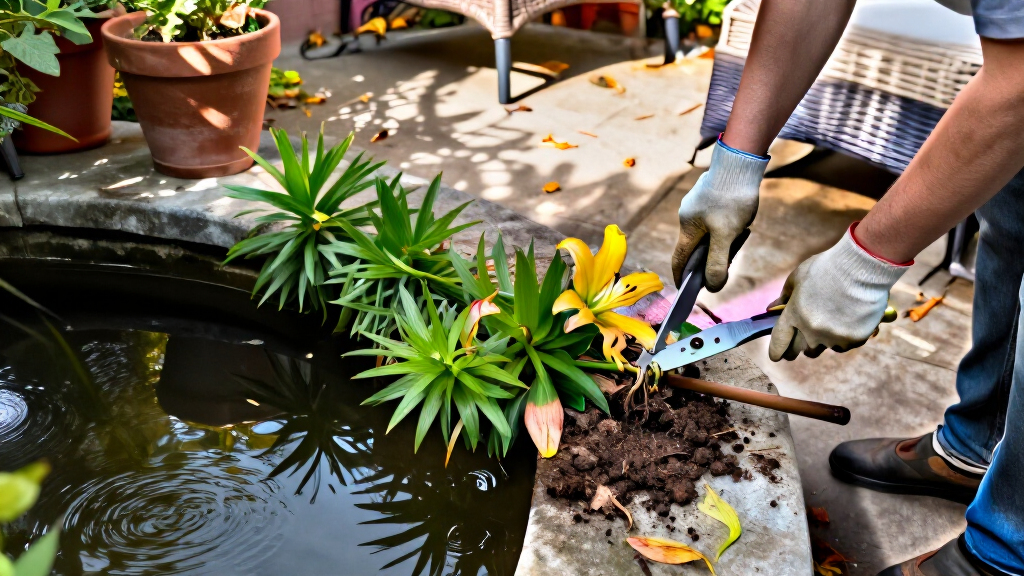
For established beds, the report advises collecting fallen or yellowing leaves and removing foliage with signs of disease, such as dark spots, water-soaked streaks or powdery mildew. It recommends putting visibly diseased material in the trash rather than composting it. Gardeners who are not saving seed can also remove spent seed heads, which the report says use energy that could otherwise be stored in the bulb.
Inspect remaining stems and leaf joints for damage or insects, and check bulbs for softness, mold or basal rot if lifting or dividing them. The report says healthy bulbs should feel firm and plump. It also advises waiting to cut stems until their foliage has turned yellow or brown: green leaves continue photosynthesis and help supply energy to the bulb. Its remaining seasonal suggestions are to consider planting new bulbs while the soil is still warm enough for root growth and to lift tender varieties or bulbs in severe northern climates for winter storage.
October Work Shapes Next Season’s Growth
October care is a timing issue as much as a cleanup task. Removing diseased leaves and checking for pests can reduce the amount of infected or infested material left around a bed, while cutting healthy stems too early can deprive bulbs of the energy their leaves are still producing.
The advice also discourages treating every lily bed the same way. Most true lilies are described by the report as cold-hardy, but tender varieties and gardens exposed to severe winter cold may need different protection. Applying the recommendations by plant type and local conditions can help gardeners avoid both premature pruning and unnecessary disturbance of bulbs.
As an affiliate, we earn on qualifying purchases.
True Lilies Follow Different Timelines
The report distinguishes true lilies, which grow from fleshy bulbs, from daylilies, which grow from dense, fibrous roots. Its advice focuses on true lilies, including early-blooming Asiatic hybrids and later-fading Oriental and Orienpet types. Because some varieties may have lost their leaves weeks earlier while others remain green, October is not a universal cutback date.
Gardening Know How says new bulbs can be planted in October where conditions allow, while growers in USDA hardiness zones 2–3 or those growing tender types such as Formosa lilies may need to lift and store bulbs. The report does not provide a single storage method or a complete set of region-specific planting dates, so gardeners need to account for their own conditions.
Local Conditions Set the Schedule
The report offers general gardening guidance, not a region-by-region schedule. It does not identify a specific location, weather forecast or cutoff date for pruning, planting or lifting bulbs. Those decisions depend on the lily variety, how much green foliage remains, soil conditions and when hard freezes are expected locally.
The report describes possible benefits such as stronger plants and bigger blooms next year, but it does not provide trial data or measured results for the five tasks. Its product references are not necessary to follow the core care advice, and the material does not establish that any named tool or treatment is required.
Watch Foliage Before Winter
Gardeners can check their lily beds through fall, remove fallen and clearly diseased material, and monitor remaining foliage rather than cutting all stems on a fixed October date. Once healthy leaves have yellowed or browned, stems can be cut back. Before winter, determine whether each variety can stay in the ground or needs protection based on local climate and its growing requirements.
For newly planted bulbs, the next step is to monitor soil conditions and local freeze timing. Gardeners lifting tender bulbs should inspect them for rot and seek storage directions suited to the variety. The report gives no further publication or follow-up date; the next practical milestone is the onset of sustained cold and the plants’ own progress into dormancy.
Key Questions
Should I cut back lily stems in October?
Not while the leaves are still green and healthy. The report says green foliage continues to photosynthesize and send energy to the bulb. Wait until it has turned yellow or brown before cutting it back.
Can true lilies stay in the ground over winter?
The report says most true lilies are cold-hardy and can remain in the ground. Tender types and lilies grown in very cold areas may need to be lifted and stored; check the needs of the variety and your local conditions.
What should I do with diseased lily leaves?
Remove leaves showing signs such as dark spots, water-soaked streaks or powdery mildew. The report recommends putting diseased material in the trash rather than the compost to limit the spread of pathogens.
Do these October instructions apply to daylilies?
No. The report focuses on true lilies, or Lilium, and distinguishes them from daylilies, or Hemerocallis, which grow from fibrous roots and have different care needs.
Source: rss
Halloween Picks
halloween
As an affiliate, we earn on qualifying purchases.