TL;DR

Get pool and patio gear delivered free — and shop member deals
- Fast, free delivery on millions of items
- Access to Prime Big Deal Days deals on October 6–7
- Prime Video, Amazon Music and more included
Interior designers interviewed by House Beautiful recommend choosing a room’s paint color after settling on flooring, counters, cabinets, furniture and other finishes. They also advise checking undertones and viewing samples on the wall for at least 24 hours, since light and surrounding surfaces affect how a color appears.
Interior designers quoted by House Beautiful recommend choosing a room’s paint color after its fixed finishes and major furnishings, including flooring, counters, cabinets and large furniture. The advice is intended to help homeowners find a hue that works with the items already selected and reduce the risk of having to change other decisions to accommodate paint.
Designer Dana Arazi Levine said rugs, curtains, upholstery and art offer fewer options than paint. Choosing a wall color too early, she said, can narrow later decisions or lead to spending more on custom pieces. Designer Lisa Quinn likewise said she settles on elements that cannot easily be painted or swapped before selecting a color.
Quinn said paint samples can look different beside a room’s actual materials. A shade that seems neutral on a sample card, she noted, may clash with honey oak flooring or cool marble. Once the room’s other choices are in place, those surfaces can help narrow the paint options.
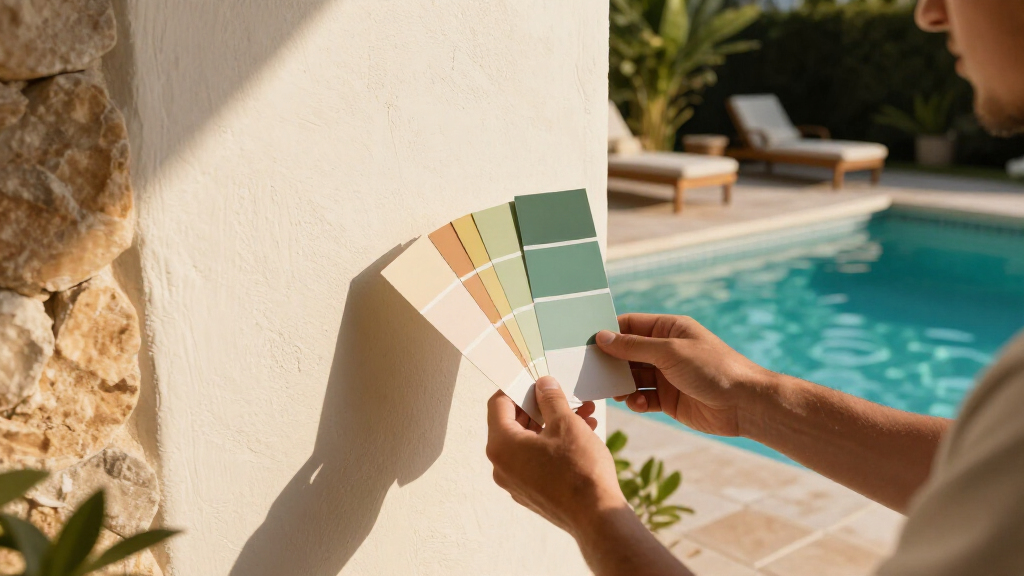
The report also relays designers’ advice to look beyond the paint chip. Lauren Grant said colors can appear stronger or higher in contrast once reflected around a room, and recommended considering a more subdued shade than the one envisioned. Quinn advised comparing undertones, while Lindsay Atapattu recommended bringing finalists home, painting samples on the wall and observing them for at least 24 hours.
How Finish Choices Shape Paint
The advice addresses a common decorating decision with practical consequences: paint is relatively easy to change, while floors, counters, cabinetry and large furniture may be costly or difficult to replace. Selecting paint after those elements can help homeowners judge how a color works with the materials that will remain in the room.
It can also change how shoppers evaluate samples. A color viewed alone in a store may look different under a home’s lighting and beside its finishes. Testing candidates in the room gives homeowners a chance to see those interactions before committing to a full paint job.
From Paint Chips to Room Samples
The House Beautiful report presents the order of decisions as its central recommendation: choose the room’s less changeable elements first, then select paint that complements them. It does not prescribe a particular color palette or paint brand as the right choice for every space.
For the final selection, the designers quoted describe a process of comparing undertones and observing samples in the room. Atapattu’s recommendation is to leave wall samples up for at least 24 hours; the report says lighting, room direction and existing decor can affect how a color reads.
“A color that looks neutral on a chip can clash the very second it meets honey oak flooring or cool marble.”
— Lisa Quinn, interior designer
What the Advice Cannot Settle
The report offers designers’ recommendations rather than a controlled comparison of paint-selection methods. It does not establish that choosing paint last will prevent mistakes for every homeowner or every room. The best-fitting color still depends on the specific finishes, lighting, decor and personal preferences involved.
The source material also does not provide a publication date, identify a single paint shade as universally suitable, or quantify how much time or money the approach might save.
Test Finalists in the Room
For readers applying the recommendations, the next step is to finalize the room’s major materials and furnishings, then shortlist paint colors that suit them. Compare the candidates’ undertones and bring samples home before making a final selection.
Paint the finalists on the wall and observe them for at least 24 hours, including under the room’s changing light. The report provides no further scheduled development; the final choice remains specific to each space.
Key Questions
What do the designers recommend doing before choosing paint?
Finalize elements that are difficult to change, such as flooring, counters, cabinets and large furniture, then choose paint that works with them.
Why might a paint chip look different from paint on a wall?
The report says room lighting, direction and surrounding decor can affect a color’s appearance. Reflected light and color from other walls may also make the result appear stronger or higher in contrast.
How long should paint samples stay on the wall?
Lindsay Atapattu recommends observing wall samples for at least 24 hours to see how they shift in the space’s light.
What should homeowners compare when choosing between similar shades?
Lisa Quinn advises checking undertones, such as whether a shade leans toward yellow, pink, purple or green, rather than judging only its broad color category.
Source: rss
Fall Picks
fall essentials
As an affiliate, we earn on qualifying purchases.