Your comfort and safety in the pool heavily depend on maintaining the right water temperature. If it’s too cold, you’ll feel uncomfortable and hesitant to stay long, while warm water can leave you sluggish and overheated. Proper temperature keeps you alert, helps balance chemicals, and extends the lifespan of your equipment. When you control the water temperature, you create a safer, more enjoyable experience. Keep going to discover how adjusting the temperature can transform your entire pool time.

Get pool and patio gear delivered free — and shop member deals
- Fast, free delivery on millions of items
- Access to Prime Big Deal Days deals on October 6–7
- Prime Video, Amazon Music and more included
Key Takeaways
- Water temperature affects comfort, influencing whether swimmers feel relaxed or hesitant to stay in the pool.
- Proper temperature maintains chemical balance, ensuring sanitation and preventing algae or bacteria growth.
- Temperature impacts safety by helping swimmers stay alert and reducing risks like hypothermia or overheating.
- Consistent water temperature prolongs equipment lifespan and reduces maintenance issues.
- Optimal temperature enhances overall enjoyment, safety, and protects the investment in pool quality and longevity.
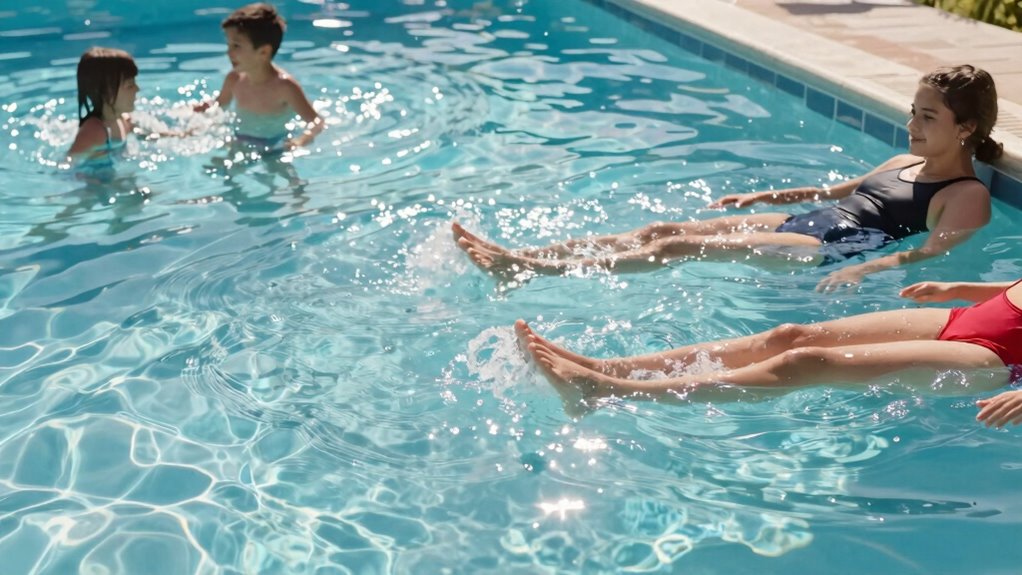
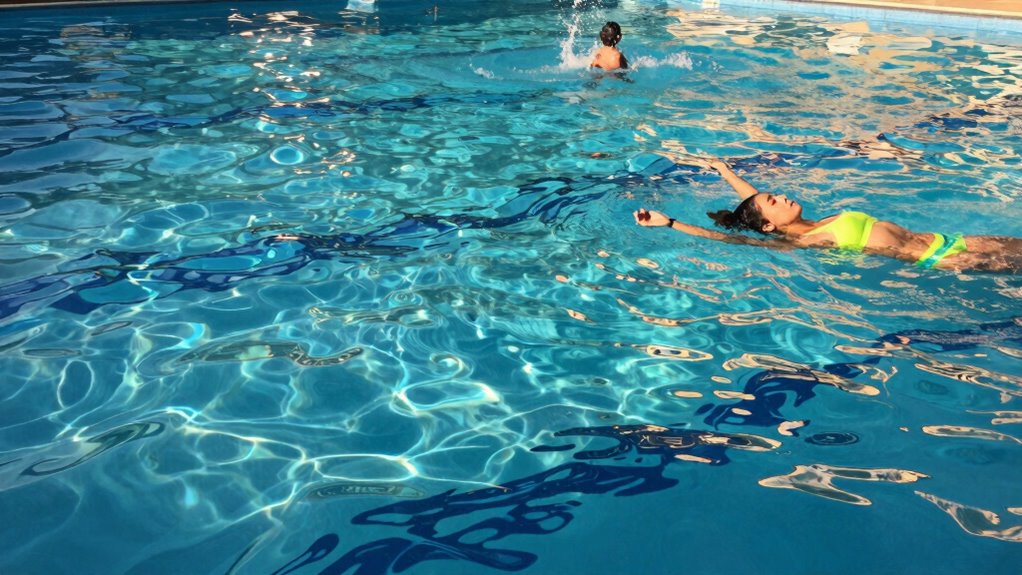
The temperature of the water can considerably influence your pool experience, affecting both comfort and enjoyment. When the water is too cold, you might find yourself shivering and hesitant to stay in the pool for long. Conversely, if it’s too warm, you could feel sluggish or uncomfortable, which diminishes the overall pleasure of swimming. Maintaining an ideal water temperature enhances relaxation and encourages extended use, making your pool a more inviting space. But beyond comfort, water temperature also plays a critical role in your pool’s chemical balance, especially concerning chlorine levels. Warmer water speeds up chlorine’s breakdown, requiring more frequent adjustments to keep your pool sanitized. If you neglect this, algae and bacteria may thrive, posing a threat to your pool’s safety. Proper chlorine balance is essential not just for cleanliness but for ensuring your pool remains safe for everyone who swims. When temperatures fluctuate unexpectedly, it can throw off this balance, making it harder to keep the water safe and well-maintained. Additionally, maintaining the right water temperature helps prevent chemical imbalance, which is crucial for optimal pool health. Ensuring consistent water temperature also supports biodiversity by fostering a balanced aquatic environment that discourages harmful organisms. Pool safety is directly linked to temperature because colder water can numb your senses and reduce your ability to respond quickly to emergencies. If you’re swimming in water that’s too cold, you might not realize you’re getting too cold until it’s too late, risking hypothermia or fatigue. On the other hand, excessively warm water can cause overheating or dehydration, especially if you’re in the pool for extended periods. Consistent, comfortable water temperature helps you stay alert and enjoy your swim without risking health issues. It also makes it easier to monitor your surroundings and recognize potential hazards. When the water temperature is right, you’re more likely to adhere to safety guidelines and avoid risky behaviors. Adjusting your pool’s temperature isn’t just about comfort—it’s also about creating a safer environment and maintaining proper chemical balance. Keeping the water at a moderate, comfortable temperature supports both chlorine stability and your overall pool safety. Proper temperature regulation can also help extend the lifespan of your pool equipment by reducing strain caused by temperature fluctuations. This is especially important considering how pool equipment can be affected by temperature changes. This way, you can fully enjoy your swim without worrying about chlorine imbalance or health risks. Whether you’re lounging or swimming laps, a well-regulated water temperature ensures your pool remains a safe, pleasant retreat. When you pay close attention to how temperature affects your pool, you’re actively protecting your investment, making your swimming experience more enjoyable and worry-free.
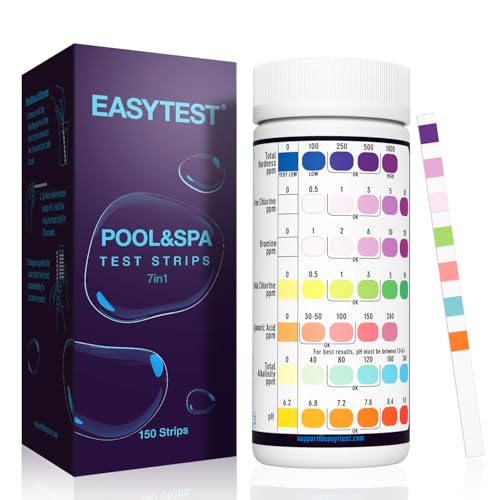
EASYTEST 7-Way Pool Test Strips, 150 Strips Water Test for Hot tub and Spa
- 150 Test Strips Included: Enough for multiple water tests
- Fast and Accurate Results: Soak for 1 second, read in 15 seconds
- 7-in-1 Water Testing: Tests Bromine, pH, Chlorine, and more
As an affiliate, we earn on qualifying purchases.
Frequently Asked Questions
How Does Water Temperature Affect Pool Chemical Balance?
Water temperature directly affects your pool’s chemical balance by influencing chemical stability and pH balance. When water gets warmer, chemicals like chlorine break down faster, making it harder to maintain proper disinfection levels. Conversely, cooler water helps stabilize these chemicals, ensuring your pH balance stays consistent. You should regularly test and adjust chemicals based on the temperature to keep your pool safe, clean, and comfortable for swimmers.
What Is the Optimal Water Temperature for Swimming Endurance?
The ideal water temperature for swimming endurance is around 78 to 82°F. You’ll find this range boosts your swimming stamina while ensuring temperature comfort. When the water’s too cold, your muscles tighten and fatigue sets in faster. When it’s too warm, you risk overheating and losing focus. Staying within this range keeps you energized, prolongs your swim, and maintains comfort throughout your workout.
Can Temperature Fluctuations Impact Pool Equipment Longevity?
Temperature fluctuations can definitely impact your pool equipment longevity. When water temperature varies, it can reduce pool heater efficiency, causing it to work harder and wear out faster. Additionally, higher temperatures increase water evaporation rates, which can lead to low water levels and added strain on your equipment. Maintaining consistent water temperature helps preserve your pool’s equipment by minimizing these stresses, saving you money on repairs and replacements in the long run.
How Does Water Temperature Influence Algae Growth?
They say “a stitch in time saves nine,” and the same applies to water temperature and algae growth. When you don’t regulate temperature, warmer water encourages algae proliferation, making your pool green and slimy. Cooler temperatures slow down algae growth, keeping your pool cleaner longer. Proper temperature regulation is key to preventing algae buildup, ensuring your pool stays inviting, crystal clear, and safe for swimming.
What Are the Safety Risks of Very Cold or Hot Pools?
Swimming in very cold pools can cause cold shock, leading to sudden gasping or hyperventilation, which increases drowning risk. Hot pools pose thermal burns if the water is too hot, and prolonged exposure can cause overheating or dehydration. Always test the water temperature beforehand, avoid sudden immersion, and stay within safe temperature ranges to minimize these risks and guarantee a safe, enjoyable experience.
Conclusion
Understanding how water temperature impacts your pool experience can truly transform your time in the water. Whether you prefer a brisk, energizing swim or a warm, relaxing soak, adjusting the temperature makes all the difference. Did you know that studies show swimmers in water heated to around 78-80°F report higher enjoyment and comfort? So, next time you plunge in, consider tweaking the temperature—small changes can lead to a much more enjoyable and satisfying pool experience.
Fall Picks
fall essentials
As an affiliate, we earn on qualifying purchases.