If anxiety hits while floating alone, focus on slow, deep breaths to calm your nervous system. Use sensory grounding techniques by paying attention to your surroundings—feel the water’s support, notice sounds, and body contact. Repeat positive affirmations like “I am safe” to reinforce feelings of security. To further ease your mind, practice mindfulness and redirect your focus to your breath and sensations. Keep exploring these strategies to build confidence and comfort during your floating experience.
Key Takeaways
- Practice slow, deep breathing exercises to activate relaxation and reduce racing thoughts.
- Use mindfulness to observe surroundings and sensations, grounding your focus in the present moment.
- Repeat positive affirmations like “I am safe” to reinforce feelings of security and control.
- Redirect attention from worries to sensory experiences, such as water temperature and sounds.
- Incorporate progressive muscle relaxation or grounding techniques to ease tension and promote calmness.

Floating alone can trigger feelings of anxiety, especially if you’re not used to being in solitude. When your body feels exposed and your mind begins to race, it’s easy to feel overwhelmed. But you can learn to manage these sensations by grounding yourself with simple tools like breathing exercises and mindfulness techniques. These methods help you regain control and find calm amidst the solitude.
Start by focusing on your breath. Take slow, deliberate breaths, inhaling deeply through your nose, counting to four. Hold that breath for a moment, then exhale gently through your mouth for another count of four. Repeat this process several times. This breathing exercise slows your heart rate, reduces tension, and shifts your focus away from worries. It also signals to your nervous system that you’re safe, which is vital when anxiety starts to creep in. As you become more comfortable with this practice, try extending the inhale and exhale counts gradually, deepening your relaxation response.
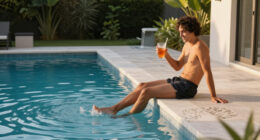
Focus on slow, deep breaths to calm your mind and body during moments of anxiety.
In addition to breathing exercises, mindfulness techniques can considerably ease your anxiety. Ground yourself by observing your surroundings without judgment. Notice the sensation of the water supporting your body, the temperature against your skin, and the sounds around you. Pay attention to your body’s contact with the water, feeling the gentle resistance as you move or hold still. This practice anchors your mind in the present moment, reducing the tendency for anxious thoughts to spiral out of control. Incorporating relaxation techniques like progressive muscle relaxation can further enhance your sense of calm and safety during solitude.
It’s also helpful to incorporate positive affirmations during this time. Silently repeat statements like, “I am safe,” or “I am in control,” to reinforce a sense of security. When your mind drifts to worries, gently redirect your attention back to your breath or your sensory observations. This act of refocusing is a core part of mindfulness and helps diminish feelings of panic or dread.
As an affiliate, we earn on qualifying purchases.
Frequently Asked Questions
Can Anxiety During Floating Indicate a Medical Issue?
Yes, anxiety during floating can indicate a medical issue, especially if you notice symptoms like chest pain or dizziness. It might be linked to underlying health conditions or medication interactions. If your anxiety is severe or persistent, it is crucial to consult a healthcare professional. They can evaluate your symptoms, review your medications, and determine if there’s an underlying problem needing treatment. Never ignore warning signs that could signal a medical concern.
Is Floating Alone Safe for Individuals With Severe Anxiety?
Floating alone can be safe for individuals with severe anxiety if you prepare properly. Did you know that sensory deprivation, like floating, can help reduce anxiety symptoms for many? Practicing mindfulness meditation during your float helps you stay grounded and manage stress. Always listen to your body, start with short sessions, and have a safety plan in place. If you’re unsure, consult a healthcare professional before trying it alone.
How Long Should I Practice Floating to See Benefits?
You should practice floating for at least 20 to 30 minutes per session, following duration guidelines that allow your body and mind to relax fully. To see benefits, aim for 2 to 3 sessions weekly, maintaining consistent session frequency. Over time, this routine helps reduce anxiety, improve focus, and promote deep relaxation. Be patient and listen to your body, gradually increasing duration as you become more comfortable.
Are There Specific Breathing Techniques to Reduce Anxiety While Floating?
Sure, you can try breathing exercises like deep diaphragmatic breaths or box breathing to calm anxiety while floating. These relaxation techniques help slow your heart rate and clear your mind, making floating feel like a spa day instead of a stress test. Focus on each inhale and exhale, imagining your worries drifting away with each breath. It’s like giving your anxiety a timeout—without the timeout part.
What Should I Do if Anxiety Worsens During Floating Sessions?
If your anxiety worsens during floating sessions, stop and focus on grounding techniques like feeling the texture of your floatie or the water’s temperature. Practice mindfulness meditation by gently redirecting your thoughts to your breath or surroundings. Take slow, deep breaths and remind yourself this feeling will pass. If needed, open your eyes or sit up cautiously to regain control, ensuring you feel safe and centered before continuing.
Conclusion
Remember, floating alone can feel overwhelming, but with the right mindset, you can find calm. Deep breathing and focusing on the present help reduce anxiety. Did you know that 70% of people report feeling more relaxed after just 10 minutes of floating? So, trust the process, stay patient, and give yourself time to embrace the experience. With practice, you’ll discover serenity in solitude, turning floating into a soothing, empowering moment of peace.