
When floating underwater, you experience a unique acoustic environment shaped by how sound travels through water. Natural sounds and human-made noises, like ships and sonar, can mask marine animals’ calls, causing disorientation or stress. Water temperature, salinity, and depth influence sound propagation, affecting communication and navigation. Understanding these acoustic effects helps protect marine life and improve noise management. Keep exploring to discover how these sounds impact ecosystems and what measures can reduce their effects.

Get pool and patio gear delivered free with Prime
- Fast, free delivery on millions of items
- Prime Video, Amazon Music and more included
- Member-only deals all year
Key Takeaways
- Floating objects can reflect and scatter underwater sound waves, affecting acoustic signal clarity.
- Buoyant devices or marine vessels generate noise that propagates, influencing local soundscapes.
- Changes in depth or position while floating alter sound reception and transmission patterns.
- Underwater ambient noise levels can increase near floating structures, masking marine animal sounds.
- Floating platforms may interfere with natural sound propagation, impacting communication among marine species.
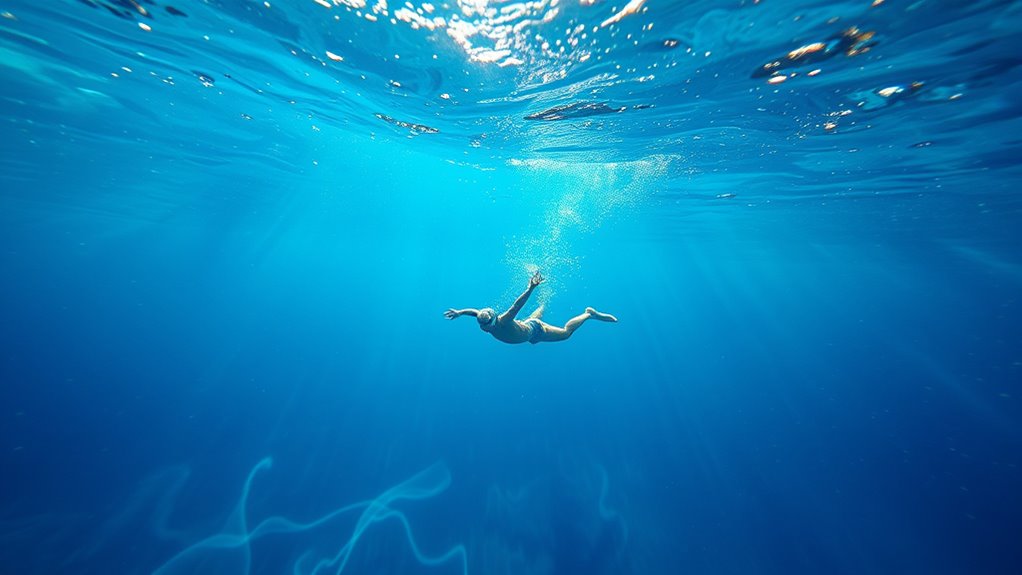
Underwater acoustic effects refer to how sound propagates and influences the marine environment. When you’re floating in the water, you’re immersed in a world filled with a complex soundscape shaped by natural and human-made sources. These sounds travel differently underwater than they do in air, often covering vast distances with minimal loss of energy. This unique environment profoundly impacts marine life, especially marine mammals that rely heavily on sound for communication, navigation, and hunting. You might not see them, but beneath the surface, these creatures are constantly listening and emitting sounds that help them survive. However, increasing underwater noise pollution from ships, sonar, and industrial activities disrupts this delicate acoustic balance. The noise can mask the sounds marine mammals depend on, making it harder for them to communicate, find food, or avoid predators. This interference can lead to disorientation, stress, and even changes in migration patterns. As you float near these noisy sources, you may notice the background sound levels intensify, filling the water with a cacophony that drowns out the natural calls of whales, dolphins, and seals. This noise pollution creates a challenging environment for marine mammals, forcing them to adapt or abandon vital behaviors. The propagation of sound underwater is influenced by factors like water temperature, salinity, and depth, which can cause sound waves to bend or scatter. Human activities often introduce loud, impulsive noises that travel farther and persist longer than natural sounds, amplifying their disruptive effects. When you’re floating in this environment, you become a witness to the ongoing struggle of marine wildlife trying to communicate amidst the relentless hum of underwater noise pollution. The impact of these acoustic effects isn’t limited to just marine mammals. Fish, invertebrates, and even plankton rely on sound cues for various essential life functions. Disruptions in this acoustic environment can cascade through the entire ecosystem, affecting biodiversity and the health of the marine habitat. Recognizing how underwater sound propagates and affects marine life is vital for developing strategies to mitigate noise pollution. For instance, recent studies show that resources and tools are being developed to monitor and reduce noise levels in critical habitats. As someone observing or working in this environment, understanding these effects helps highlight the importance of responsible practices to protect marine communication channels. Whether you’re a researcher, diver, or marine enthusiast, respecting and minimizing underwater noise pollution ensures that the vibrant acoustic world beneath the waves can continue to thrive, supporting the diverse life forms that depend on sound for their survival.
As an affiliate, we earn on qualifying purchases.
Frequently Asked Questions
How Do Different Floating Materials Affect Underwater Sound?
Different floating materials affect underwater sound based on their properties, especially acoustic absorption. If you choose materials with high acoustic absorption, like foam or rubber, they dampen sound waves, reducing noise levels. Conversely, denser materials like wood or metal reflect sound, increasing noise. Your selection of floating material properties directly influences how sound travels and is perceived underwater, helping you control noise pollution or improve acoustic measurements effectively.
Can Floating Objects Disrupt Marine Animal Communication?
You might not realize it, but floating objects can disrupt marine mammal hearing and alter underwater echo patterns. When your floating devices interfere with sound waves, they create noise that confuses marine animals, making communication difficult. This disturbance can hinder their ability to locate prey or navigate effectively. So, your floating materials don’t just sit passively—they can unintentionally impact the delicate acoustic environment marine life relies on daily.
What Is the Impact of Floating Debris on Underwater Acoustics?
Floating debris impacts underwater acoustics by causing sound reflection and debris aggregation. When debris accumulates, it disrupts the natural flow of sound waves, making marine animal communication less effective. You might notice increased noise levels or muffled signals, which can confuse marine life. This interference hampers their ability to navigate, find food, or communicate, highlighting the importance of managing floating debris to protect underwater acoustic environments.
How Does Water Temperature Influence Acoustic Effects Under Floating Objects?
Water temperature critically impacts acoustic effects under floating objects by affecting sound absorption and acoustic reflection. When water warms, sound absorption decreases, allowing sound waves to travel farther and reflect more effectively off floating surfaces. Conversely, colder water increases absorption, dampening sound and reducing reflection. You’ll notice these changes as variations in underwater sound clarity and echo strength, which are essential for marine communication and navigation.
Are There Safety Measures to Mitigate Acoustic Disturbances From Floating Structures?
You can reduce marine noise pollution from floating structures by implementing acoustic mitigation measures, like installing sound dampening materials or quieting technology. Regularly monitoring underwater noise levels helps identify disturbances early, allowing you to modify operations and protect marine life. Following these safety measures ensures that your floating structure minimizes acoustic disturbances, promotes environmental health, and complies with regulations, ultimately safeguarding marine ecosystems from harmful noise impacts.
Conclusion
As you explore underwater, you might wonder if sound truly travels farther than expected. Scientific studies confirm that acoustic effects are amplified underwater because water conducts sound much better than air. This supports the theory that marine life and human-made noises can travel great distances, impacting ecosystems and communication. So, next time you’re floating, remember—underwater acoustics aren’t just fascinating; they’re powerful, revealing the ocean’s hidden symphony.
Fall Picks
fall essentials
As an affiliate, we earn on qualifying purchases.