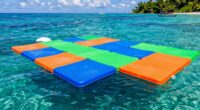
To manage water evaporation, try covering the surface with floating lids or shade cloths, and use mulch or floating plants to insulate the water. To prevent float drift, secure your floats with weights or anchoring lines, and minimize wind exposure with barriers or windbreaks. Regularly monitor and adjust your setup to keep everything stable and efficient. If you keep these tips in mind, you’ll gain more insight into creating a balanced aquatic environment.
Key Takeaways
- Cover water surfaces with floating lids or shade cloth to reduce sunlight exposure and minimize evaporation.
- Use mulch or floating plant material to insulate water and stabilize temperature, decreasing evaporation rates.
- Regularly monitor and secure floating devices with weights or anchoring lines to prevent drift.
- Install windbreaks or physical barriers to lessen float displacement caused by wind.
- Remove debris and control algae growth to maintain float stability and prevent clogging or uneven drift.

Managing water evaporation and float drift is essential for maintaining a healthy and stable aquatic environment. When you focus on evaporation prevention, you help conserve water, reduce maintenance, and keep your pond or aquarium at ideal levels. To effectively prevent excessive evaporation, consider covering the water surface with a floating lid or shade cloth. These covers act as barriers, minimizing direct sunlight exposure and slowing water loss. Additionally, adding a layer of mulch or floating plant material on the water surface can help insulate the water, reducing evaporation caused by temperature fluctuations. Using these techniques not only conserves water but also stabilizes water temperature, creating a more consistent environment for aquatic life.
Float stability is another critical aspect that directly impacts water quality and ecosystem balance. If floats or debris drift uncontrollably, it can clog filtration systems, block aeration devices, or lead to uneven distribution of nutrients. To maintain float stability, you should regularly monitor and adjust the placement of floating devices. Securing floats with weights or anchoring lines prevents them from drifting into unwanted areas, ensuring they stay in position. When dealing with natural debris like leaves or twigs, removing them promptly reduces the risk of clogging and maintains a clean water surface. Proper float management also involves controlling algae growth, which can cause uneven surface coverage and affect float behavior. Using environmentally friendly algaecides or introducing natural algae-eaters can help maintain a balanced surface, promoting float stability and overall water quality.
Another effective way to manage float drift involves controlling environmental factors that influence float movement. For example, minimizing wind exposure around your pond or tank can greatly reduce float displacement. Installing windbreaks such as shrubs or screens can create a calmer environment, helping floats stay put. Regularly inspecting and maintaining your setup ensures that floating devices are properly secured and functioning as intended. This proactive approach prevents unexpected drift, which can disturb aquatic plants, fish, or other wildlife.
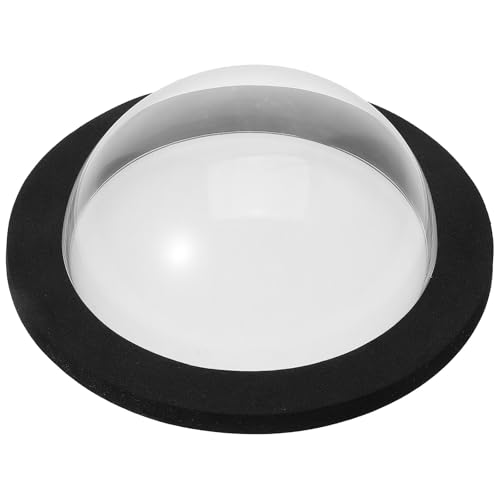
NUOBESTY Floating Pond Dome Cover Acrylic Small 15cm Diameter Weatherproof Fish Pond Floating Cover Black Base and Lid for Outdoor Garden Aquarium Fish Viewing
- Size: 15cm diameter small pond cover
- Durability: Weatherproof and durable design
- Viewing Experience: Captivating fish viewing dome
As an affiliate, we earn on qualifying purchases.
As an affiliate, we earn on qualifying purchases.
Frequently Asked Questions
What Are the Best Chemical Treatments to Prevent Evaporation?
To prevent evaporation, you should consider chemical stabilization and water sealants. Chemical stabilization involves adding specific chemicals that reduce water vapor loss, while water sealants form a protective barrier on the surface. Both methods are effective in minimizing evaporation rates. You can apply sealants directly to the water surface or use stabilizers to enhance water retention, keeping your water body fuller longer and reducing the need for frequent refills.
How Do Seasonal Changes Affect Water Evaporation Rates?
Did you know that seasonal temperature swings can increase water evaporation by up to 30%? Climate fluctuations directly impact evaporation rates, with warmer months accelerating water loss. As seasonal temperatures rise, you’ll notice more evaporation, especially during summer. To manage this, consider covering your water feature or adjusting water levels. Staying aware of these seasonal changes helps you better plan maintenance and prevent unnecessary water loss throughout the year.
Can Algae Control Methods Impact Float Drift Management?
Algae control methods can substantially impact float drift management. When you use algaecides or chemical treatments, they may cause float drift by loosening algae and debris, making it easier for them to drift across the water. To minimize float drift, you should choose algae control options carefully, avoid overuse, and regularly skim the surface. Proper balance helps maintain clear water and reduces the chances of float drift interfering with your pond or pool.
What Are Eco-Friendly Solutions for Reducing Evaporation?
You can reduce evaporation eco-friendly by using natural shading, like planting trees or installing shade sails around your water feature. These methods block direct sunlight, slowing water loss. Additionally, rainwater harvesting offers a sustainable way to replenish your water, decreasing the need for frequent refills. By combining shading and rainwater harvesting, you effectively conserve water without harming the environment, making your water management both eco-friendly and cost-efficient.
How Often Should Water Levels Be Monitored for Optimal Management?
You should check water levels daily to stay ahead of evaporation rates and prevent issues. Monitoring frequently guarantees you catch sudden drops or rises, saving you from catastrophic water loss or overflow. During hot, windy days, even twice a day might be necessary. Regular water level monitoring keeps your system balanced, minimizes evaporation impacts, and ensures your water management stays efficient. Ignoring it could lead to disaster!
Conclusion
By actively managing water evaporation and float drift, you can keep your pond healthy and beautiful. Did you know that up to 70% of water loss in outdoor ponds can be attributable to evaporation? Monitoring water levels regularly and using covers or floating devices can make a big difference. Implement these simple strategies to save water, reduce maintenance, and enjoy a thriving pond year-round. Taking these steps ensures your pond stays balanced and inviting.