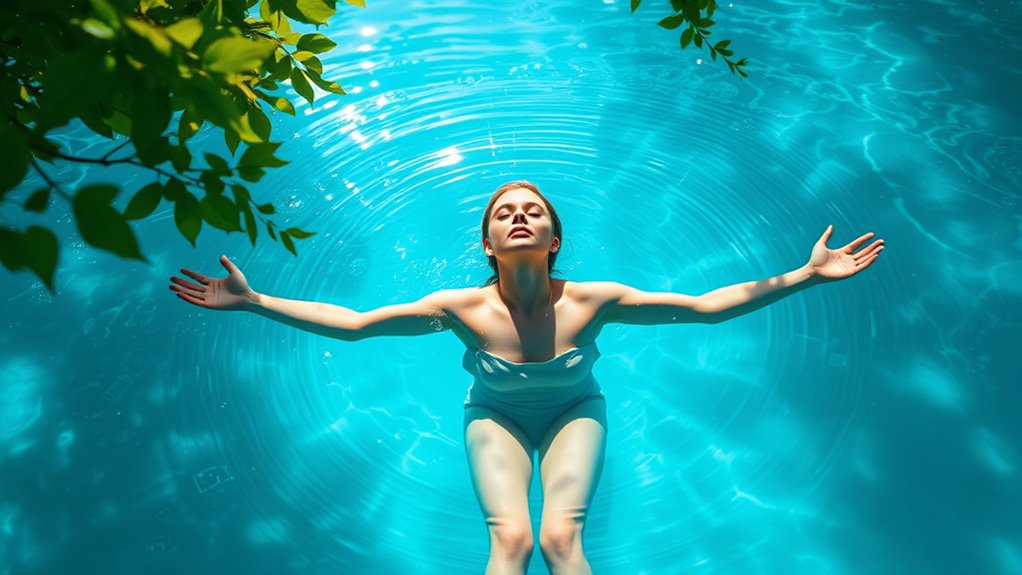
During floating, focus on slow, mindful breathing to enhance relaxation. Notice the natural rhythm of each inhale and exhale, observing the cool air entering your nose and warm air leaving. Avoid trying to control your breath—simply observe it to stay grounded in the present moment. Regular practice deepens the calming effects, making stress easier to manage both in and outside water. Keep exploring for more techniques to deepen your relaxation journey.
Key Takeaways
- Focus on natural, slow inhales and exhales to enhance relaxation during floating.
- Observe the cool air entering and warm air leaving without trying to control your breath.
- Use mindful breathing to calm your nervous system and lower heart rate in water.
- Incorporate breathing awareness into your floating routine for deeper tension release.
- Practice regularly to improve stress management and create a calming, routine experience.
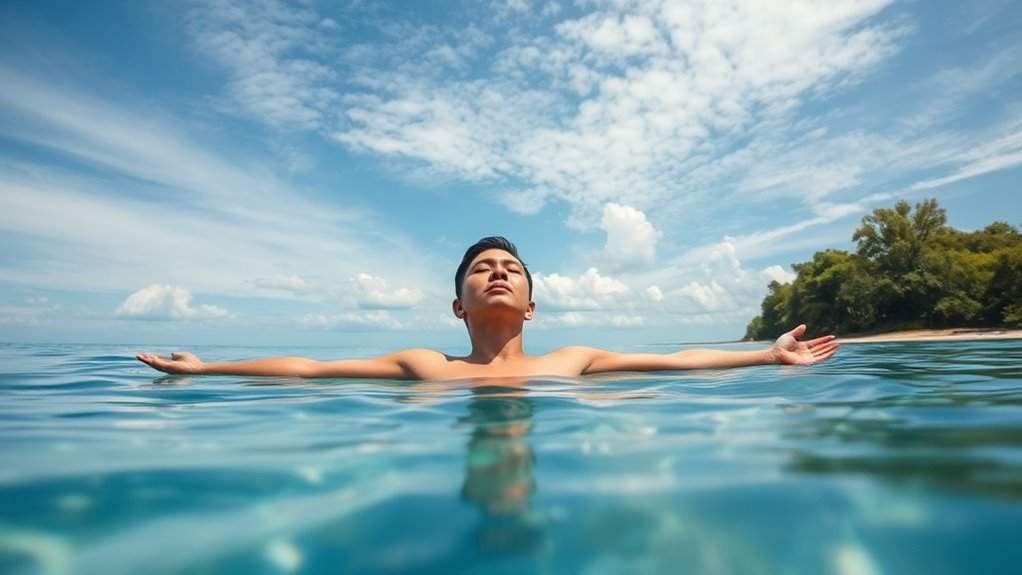
Have you ever wondered how simple breathing exercises can instantly reduce stress and improve your mood? When you’re floating, taking a moment to focus on your breath can make a huge difference in how relaxed you feel. Mindful breathing is a powerful technique you can practice anytime, especially when you’re in the water. It involves paying close attention to each inhale and exhale, helping you stay grounded and present. As you settle into your float, start by noticing the natural rhythm of your breath. Don’t try to change it—just observe it. Feel the cool air entering your nose and the warm air leaving. This simple act of awareness can calm your nervous system and clear your mind. When you’re mindful of your breathing, your body responds with a relaxed state, reducing the effects of stress and anxiety. With regular practice, mindful breathing becomes a tool you can turn to whenever you need stress relief, whether you’re floating in a pool, lake, or even just lying on your back in a peaceful environment.
Engaging in proper breathing techniques further enhances the calming effects and can improve overall relaxation.
Incorporating mindful breathing during floating sessions allows you to deepen your relaxation. As you focus on your breath, your heart rate slows, muscles loosen, and tension melts away. This heightened awareness shifts your focus from worries or racing thoughts to the present moment. It’s as if your mind and body synchronize, creating a soothing rhythm that makes floating even more calming. The more you practice, the easier it becomes to access this state of stress relief, helping you manage daily tensions outside of water, too. You might find that just a few minutes of intentional breathing can reset your mood and bring clarity to a busy day. The key is consistency—making mindful breathing a regular part of your floating routine amplifies its benefits over time. Plus, it’s simple and portable—you can do it anywhere, anytime, without any special equipment.
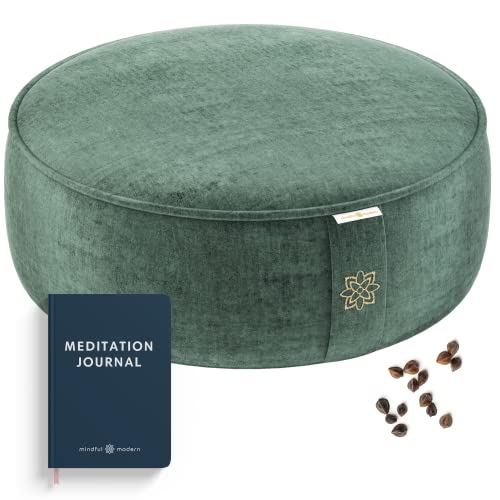
Mindful & Modern Velvet Meditation Cushion | Luxe Zafu Yoga Floor Pillow Seat | Posture Support | Buckwheat Hull Filled | Large Round Cushion with Removable Washable Cover + Carry Handle | Color Green
- Supports Proper Posture: Ergonomic design for spinal health
- Luxurious Meditation Comfort: Provides stable, comfortable seating
- Natural Buckwheat Filling: Adjustable for personalized support
As an affiliate, we earn on qualifying purchases.
As an affiliate, we earn on qualifying purchases.
Frequently Asked Questions
Can These Techniques Help With Anxiety Outside of Floating?
Yes, these techniques can definitely help with anxiety outside of floating. Mindfulness meditation encourages you to stay present, reducing worry, while breathing exercises help calm your nervous system. By practicing regularly, you’ll learn to manage anxiety more effectively in daily life. Incorporate these techniques into your routine, and you’ll notice a decrease in stress levels and an improved sense of calm, no matter where you are.
Are There Age Restrictions for Practicing Floating Relaxation Methods?
Imagine gently drifting in a calm pool—this is how floating relaxation feels, and age restrictions are usually flexible. Suitability guidelines consider individual health and comfort, so most ages can benefit. Children, teens, and adults often find floating relaxing, but always check specific age restrictions set by instructors or facilities. If you’re unsure, consult a professional to verify the technique suits your age and needs, making your experience safe and enjoyable.
How Long Should I Practice Each Session for Optimal Benefits?
You should aim for session durations of about 20 to 30 minutes for ideal timing. This length allows you to fully relax and experience the benefits without feeling fatigued or restless. Start with shorter sessions if you’re new, then gradually extend as you become more comfortable. Consistency matters most, so practicing regularly will help you achieve the best results from your floating relaxation practice.
Can Floating Relaxation Techniques Replace Medical Treatment?
Floating relaxation techniques are like a gentle breeze, offering calm but not replacing medical treatment. They can be valuable relaxation therapy and medical treatment alternatives for stress relief, anxiety, or minor issues. However, they shouldn’t replace professional healthcare when dealing with serious conditions. Use floating as a complementary tool to support your well-being, but always consult a healthcare provider for medical concerns that require proper diagnosis and treatment.
What Safety Precautions Should I Consider While Practicing Floating?
When practicing floating, prioritize water safety by never practicing alone, especially if you’re a beginner. Always guarantee you’re in a safe, supervised environment with a certified instructor who has proper instructor certification. Keep a calm, relaxed mindset, and avoid practicing in strong currents or deep water until you’re confident. Wear appropriate floatation gear if needed, and listen to your body to prevent fatigue or distress.
Conclusion
Even if floating feels intimidating at first, these breathing and relaxation techniques can make a difference. With practice, you’ll find yourself more at ease and confident in the water. Remember, everyone starts somewhere, and it’s normal to feel unsure initially. Keep practicing regularly, and you’ll gradually master the skills needed to float effortlessly. Before long, you’ll enjoy the calming benefits of floating, making your swimming experience more relaxing and enjoyable.